The Three Valentine's Day Scams That Come Back Every Year

Every February, three scams show up like clockwork. Scammers know people are shopping, gifting, and looking for love. They aim cheap mass-mailing scams at the whole thing, and a small percentage of people fall for each one. If you know the three shapes, you spot them in a glance.
Anyone buying Valentine’s Day gifts online
People ordering flowers, chocolates, or jewelry from unfamiliar shops
Anyone using dating apps or meeting new people online
Grandparents whose adult grandkids have been “sending flowers”
Elderly people who may be lonely and open to a new online friendship
Scam 1: The fake delivery notification.
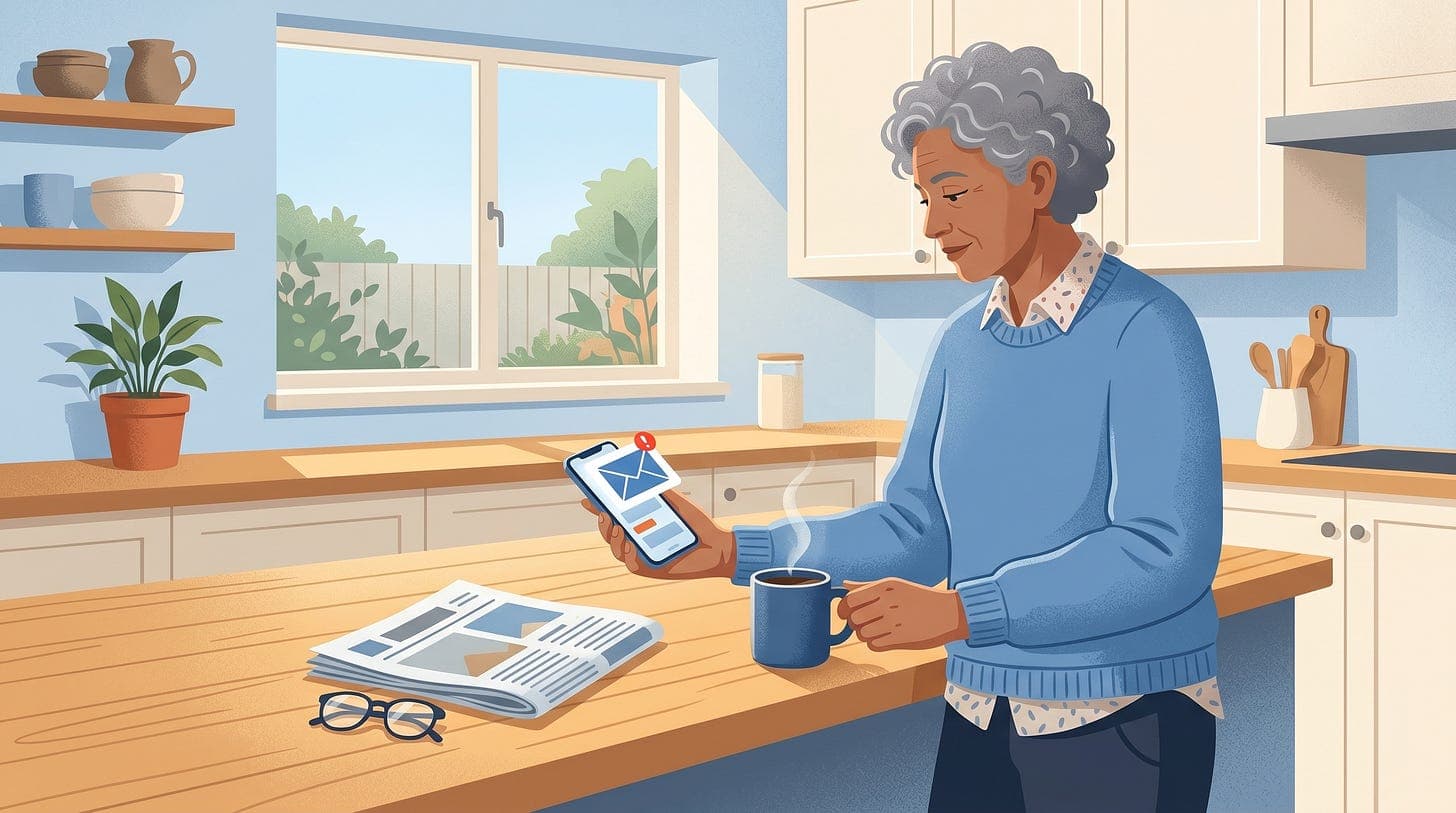
You get a text or email saying “We couldn’t deliver your Valentine’s package. Reschedule delivery here: [short link]”. You weren’t expecting a package, but maybe your partner was sending one? You click. The link goes to a fake UPS, FedEx, Canada Post, or USPS page asking for your address and a small “redelivery fee” of $3 or so, paid by credit card. The fee is just the bait. The real prize is your credit card number.
Scam 2: The fake flower or chocolate shop.
A Facebook or Instagram ad for a cute small florist with gorgeous photos and half-price roses for Valentine’s delivery. You order. The photos were stolen from a real florist on the other side of the world. Your card gets charged, and either no flowers arrive, or cheap grocery-store flowers do, or your card info ends up being sold to other scammers. By the time you realize, the “shop” has deleted its account and moved to a new one.
Scam 3: The romance scam.
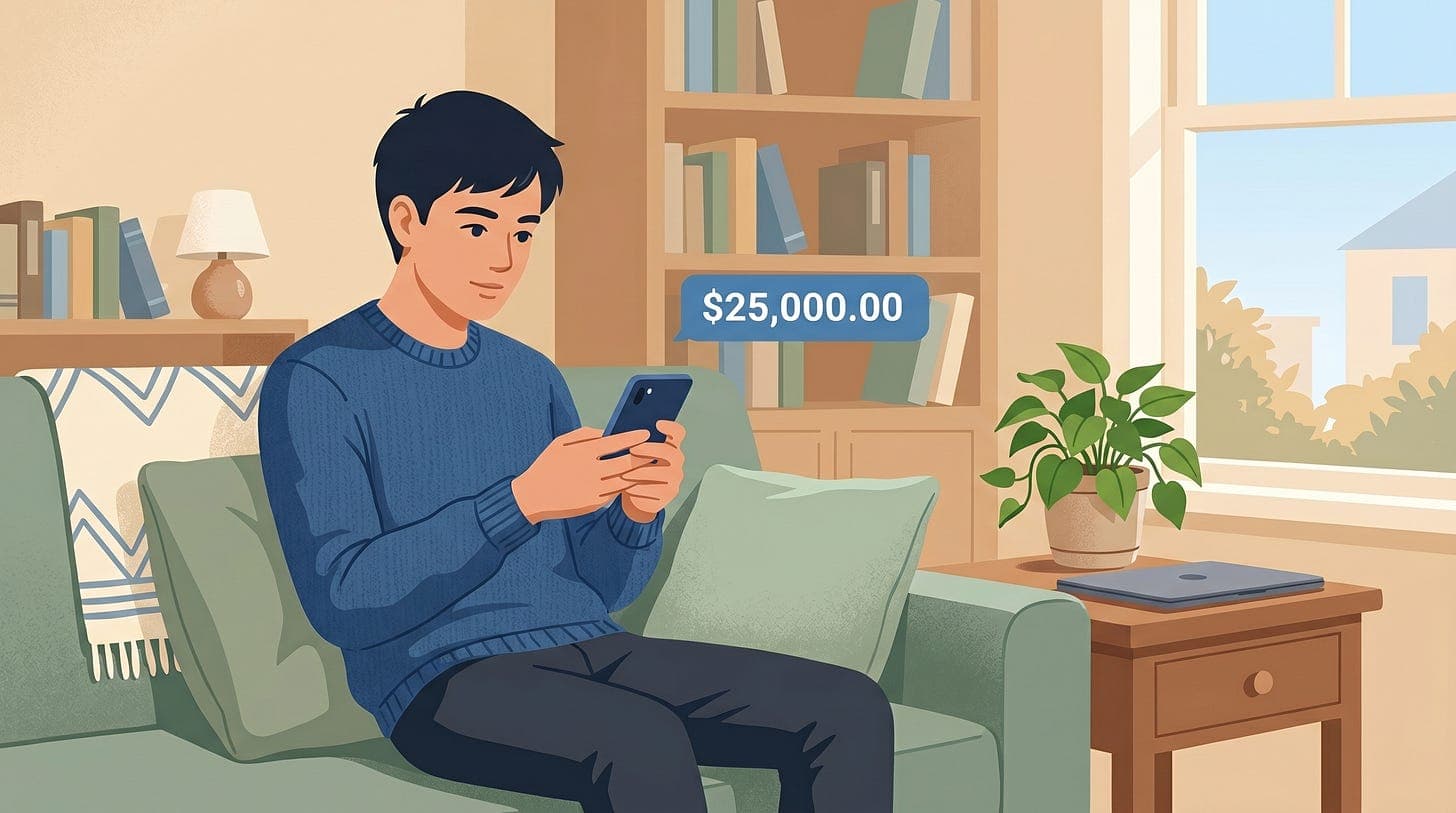
You’ve been chatting with someone new online for a few weeks or months. They’re warm, attentive, never quite available to video call. Around Valentine’s they suddenly need help: a medical emergency, a plane ticket they can’t afford, a customs fee to receive a gift they “already mailed you”. They promise to pay you back. They ask for gift cards, wire transfer, or cryptocurrency. The money never comes back. The person you were talking to was never real.
Romance scams are the single worst kind of fraud measured by dollars lost, and the FBI reports billions in losses every year. Our earlier post on Fake PayPal Bitcoin Emails covers the same crypto-payment pattern these scams use.
For fake deliveries:
A text from a delivery service when you weren’t expecting a package
A shortened URL (like bit.ly) instead of the carrier’s real site
Any delivery service asking you for a “small fee” by text
For fake shops:
Prices that seem too good to be true the week before Valentine’s
A seller with only a few posts and no reviews older than a month
Only accepts payment by e-transfer, PayPal friends-and-family, or cryptocurrency
No phone number, no physical address
For romance scams:
Person you’ve never met in real life asks for money, for any reason
They always have an excuse for not video calling
Their story keeps escalating. First a small favour, then a bigger one.
They ask you to keep the relationship secret from your family
They want payment in gift cards, cryptocurrency, or wire transfer
Don’t click delivery links. If you might have a package coming, open your carrier’s app or go directly to ups.com, fedex.ca, canadapost.ca, or usps.com. Look up the tracking number there.
Buy from shops you can verify. Check reviews older than a few months, look for a real phone number, and prefer credit card payment (so you can dispute if something goes wrong). Avoid e-transfer for online purchases.
Never send money to someone you haven’t met in person. This is the single rule that stops every romance scam. If a real friend can’t video call you in 2026, something is wrong.
Check any email address in haveibeenpwned.com if you think a scammer got your info. Change the password on anything in the list.
Talk to someone you trust before sending money. A five-minute conversation with your adult kid or a good friend is the best scam defence there is. Scammers always pressure you to act alone and fast.
Report it. In Canada, call the Canadian Anti-Fraud Centre at 1-888-495-8501. In the US, report to the FBI’s IC3.
These three scams come back every February because they work. Your best defence is knowing the shapes ahead of time, so when one shows up in your inbox, text messages, or DMs, you recognize it in two seconds instead of clicking out of curiosity. If someone online is asking for money, there is no good answer except no.
If you think a relative might be in a romance scam, our free course Digital Safety for Everyday Life covers how to talk about it gently without causing conflict.
Not sure if something you got is real? Dave can look at the language and links with you. It’s free, it’s private, and it’s designed exactly for this kind of gut-check.
Never miss an alert
New posts like this one, free every week. No spam, unsubscribe any time.